
Clean Code vs. Quick Hacks: Striking the Balance Every Developer Faces
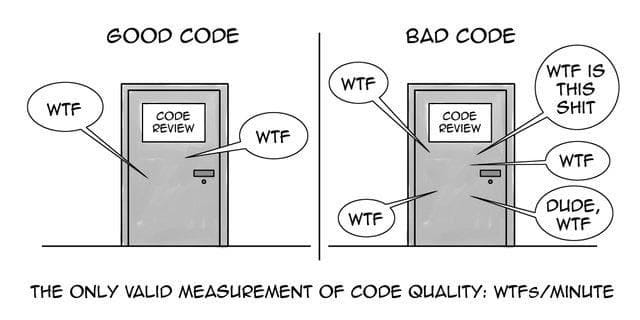
Every developer has been there: the deadline is tomorrow, the feature request just came in, and the temptation to write a quick hack is irresistible. On the other hand, you’ve read Clean Code, you know the importance of maintainability, and you feel guilty cutting corners.
So which one should you choose clean code or quick hacks? The truth is: both have their place. The real skill lies in knowing when to prioritize speed and when to prioritize sustainability.
In this article, we’ll dive deep into:
- The importance of clean code.
- Why quick hacks exist (and sometimes save the day).
- The hidden costs of technical debt.
- Practical strategies to balance both approaches.
What Is Clean Code, Really?
Clean code isn’t about following some arbitrary coding religion. At its core, clean code is:
- Readable → Anyone on the team can understand it quickly.
- Maintainable → Easy to extend or modify without breaking everything.
- Testable → Structured in a way that makes testing straightforward.
- Consistent → Follows agreed coding standards and practices.
Example (Python):
1
2
3
4
# Clean version
def calculate_total(prices, discount=0):
    subtotal = sum(prices)
    return subtotal - (subtotal * discount)
Compare that with:
1
2
# Quick hack
def c(p, d=0): return sum(p)-(sum(p)*d)
Both technically work, but only one won’t make your future self hate you.
The Case for Quick Hacks
Quick hacks get a bad rap, but let’s be honest—sometimes they’re lifesavers.
They’re useful when:
- You need a prototype or proof of concept fast.
- A critical bug in production must be fixed immediately.
- The code is throwaway (e.g., migration scripts, one-time utilities).
Example: A startup demoing their product to investors tomorrow probably doesn’t care if the login system is a perfect abstraction—it just needs to work.
The Hidden Cost of Technical Debt
Quick hacks become a problem when they sneak into long-term codebases. That’s when they turn into technical debt.
Hidden costs include:
- Slower onboarding for new developers (bad readability).
- Higher bug rates (fragile code).
- Difficulty scaling features (lack of structure).
- Burnout for developers constantly firefighting.
Think of it like financial debt: borrowing time today means paying interest tomorrow.
Striking the Balance
So how do you decide? Here are a few practical strategies:
1. Use the “Scout Rule”
Always leave the code better than you found it. Even if you can’t refactor everything, improve small parts when touching a file.
2. Define Critical vs. Non-Critical Paths
- Critical paths (e.g., authentication, payments, APIs) should follow clean code principles.
- Non-critical features (like admin-only utilities) can afford shortcuts if needed.
3. Document Your Hacks
If you write a quick hack, leave a comment or ticket noting why and when it should be revisited.
1
2
# TODO: Temporary fix for discount rounding issue.
# Replace with proper solution after next sprint.
4. Timebox Hacks
Agree with your team that hacks are short-term solutions, not permanent architecture.
5. Use Automated Testing as Insurance
Even messy code can survive longer if backed by solid unit, integration, and E2E tests.
The Long-Term Payoff
Clean code isn’t about perfection—it’s about velocity over time. Quick hacks give you velocity today, but clean code ensures you’ll still have velocity tomorrow.
The best developers aren’t the ones who always write perfect code. They’re the ones who know:
- When to cut corners.
- When to invest in refactoring.
- How to communicate trade-offs with the team.
Final Thoughts
- Clean code: your long-term investment.
- Quick hacks: your short-term tool.
- Balance: your real superpower.
Next time you’re tempted to hack your way through a problem, ask yourself: “Will this code live for a day, or for years?” The answer should guide your choice.